
Strengthening Tropical Storm Edouard Tracks Toward U.S.: Where It Will Hit and Which Homeowners Should Prepare
By Tuesday, Tropical Storm Edouard is expected to strengthen significantly and possibly reach hurricane force.
As the storm moves toward the Gulf Coast, the National Hurricane Center warns that heavy rains and flooding were likely for parts of Texas and Louisiana, just days after Tropical Storm Dolly brought similar conditions to Florida.
Specifically, a tropical storm warning is in effect from Port Bolivar, TX, to the Vermilion/Cameron Parish Line in Louisiana.
As Edouard picks up strength, it has the capacity to reach hurricane status, with a hurricane watch and storm surge warning already in effect from High Island, TX, to Cameron, LA.
“This is our first big storm of the season,” Orlando Alanis of the Texas Division of Emergency Management said during a news conference alongside Gov. Greg Abbott, before adding, “I’ll tell you, Texas is prepared.”

Tracking Tropical Storm Edouard
AccuWeather has been keeping a close eye on the storm since Sunday, tracking its movement toward coastal Texas.
Their latest forecast predicts landfall near Beaumont and Port Arthur, TX, near the Louisiana border, by midday.
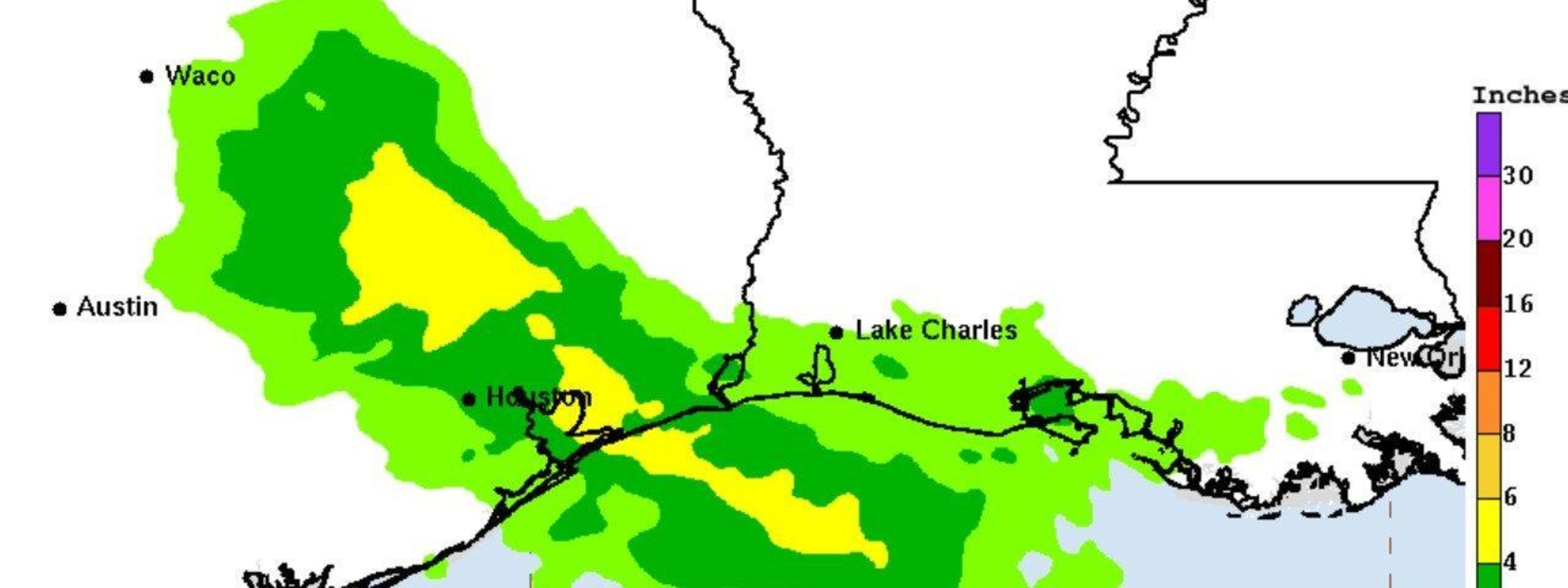
Showers and thunderstorms will expand inland, with a wide range of rainfall predicted for the area. For instance, Houston is looking at the potential of 2-8 inches of rain through to Wednesday, with a widespread 3-6 inches of rain forecasted for across the Upper Texas Coast and east-central Texas
The NHC warned a tornado or two is possible Tuesday afternoon as the storm moves ashore.
This will be the third time this season that this region of the Gulf Coast has had direct tropical impacts, following Tropical Storm Arthur in June and Tropical Storm Bertha in July.
Preparing for the storm
Hopefully, homeowners in the area have prepared their property for the coming storm, taking proactive steps to keep their homes and loved ones as safe as possible.
The common advice agreed upon by experts includes testing your sump pump, monitor your septic system, and knowing where your water, electric, and gas valves are located, in case of emergencies.
One common overlooked precaution, however, is checking your gutters. Most homeowners clean out the gutters in spring and summer, but if you live in an area prone to torrential rain, it’s worth upping the cleaning schedule.
Before a storm, inspect your gutters and outdoor drains for clogs and clean them out if necessary.
“Drains are meant to direct water away from the home, so it is important to keep these areas clear of debris,” says Chris Counahan, president of LeafFilter.
He says if this step is skipped, water can damage the home’s foundation or lead to flooding inside and outside the home.
“It’s possible to do the upkeep yourself, but if too much debris gets down in the drain, it’s best to call in a professional to clean it out,” says Counahan.