
CEO of California Real Estate Investment Fund Is Charged in $100 Million Ponzi Scheme
Federal prosecutors have charged a San Francisco Bay Area real estate investor with perpetrating a multimillion-dollar Ponzi scheme that they say defrauded more than 190 investors out of $103 million, many of whom are senior citizens.
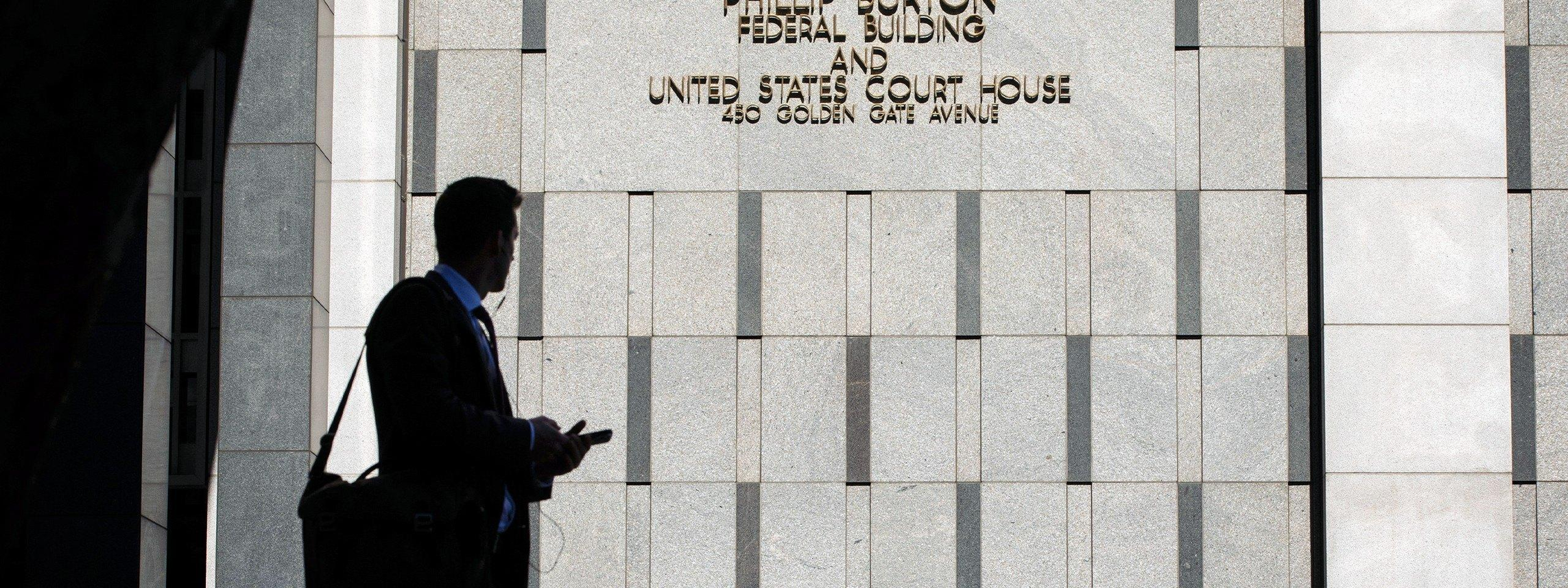
Mark Hanf, the CEO of Pacific Private Money Group, and PPMG’s Chief Operating Officer Nam Phan were charged with wire fraud in a criminal complaint filed in the U.S. District Court of Northern California on Aug. 31. Hanf was charged separately with money laundering.
Both pleaded not guilty and were released on $250,000 bonds.
The Securities and Exchange Commission separately filed a civil enforcement action against Hanf and Phan, charging them with violating securities law and orchestrating an offering fraud.
Officials say that between December 2021 and December 2025, the pair approached investors about various real estate investment opportunities, pledging to use the funds to purchase real estate–backed loans and promising big returns.
The DOJ complaint alleges that Hanf and Phan knew early on that their investment projects were losing money, after one of their partner developer died and they learned that his loans were not performing and that the projects securing those loans were distressed and unlikely to be repaid. Yet they continued to solicit funds and investors anyway.
“By no later than December 2021, Hanf, Phan, and others were aware that PPMG was unable to cover expenses, investor distributions, and investor redemptions with loan origination, servicing, and related revenue,” the complaint reads.
As early as 2021, the complaint alleges, the pair began moving money between Pacific Private Money Group's investment funds to create the appearance of liquidity and used new investor capital to pay off older investors—in essence, engaging in a Ponzi scheme.
Instead of disclosing the truth, prosecutors say, the pair maintained the charade, making false statements and creating false materials to dissuade investors from pulling their funds, and using their investors’ cash to cover personal expenses, including home mortgage payments and credit card bills.
By 2025, the scheme began to unravel as dozens of investors requested to withdraw their funds.
“Despite total outstanding investments in the two private funds of almost $121 million, by February 2026 the total recoverable assets of those funds were estimated to be less than $17 million. That amounts to devastating losses for so many investors," said Jason Lee, associate director of the SEC’s San Francisco Regional Office.

In June, PPMG filed for Chapter 11 bankruptcy. The debtors group includes around 400 investors with a total of approximately $140 million in investments. In its filing, it reported that 31 of its investors were owed $1 million or more.
Both face federal criminal charges, including conspiracy to commit wire fraud. Hanf is also separately charged with money laundering. If convicted of wire fraud conspiracy, they face a maximum sentence of 20 years in prison. Hanf faces a maximum of 10 years in prison on the money laundering charge.
If found guilty of the SEC charges, both Hanf and Phan would be barred from participating in the issuance, purchase, offer, or sale of any security, except for purchases or sales for their own personal accounts.
Hanf and Phan will next appear in district court at the end of September for a change of plea hearing. Realtor.com has reached out to Hanf's lawyer, Shaneeda Jaffer, for comment.